Managing probation periods effectively

Probation periods are a crucial element of the employment lifecycle – they can help identify strengths, address weaknesses, and ultimately determine whether the recruitment decision was successful.
But let’s be honest, for many organisations probation periods just aren’t a high priority, however the forthcoming changes in legislation have brought that all sharply into focus with the reduction to unfair dismissal qualifying periods.
So now, more than ever, it will be essential that organisations plan and conduct probation periods effectively for operational success, employee engagement and to mitigate risks.
Why are probation periods important?
Probation periods provide a structured framework for assessing a new employee’s suitability for their role. They allow organisations to identify performance issues early and address them proactively; set clear expectations for conduct and output; and offer tailored support and training to help new starters succeed.
Shift in legal landscape
The Employment Rights Act (ERA) 2025 introduces significant changes to unfair dismissal qualifying periods. The qualifying period for ordinary unfair dismissal claims will be reduced from two years to six months from January 2027.
The ERA also introduces the removal of the compensation cap for unfair dismissal which could potentially lead to significantly higher awards for unfair dismissal claims.
All of this means it is more important than ever to ensure you employ the right people from the outset and have a robust process in place to track performance of new recruits and identify and manage issues early.
Although January 2027 may seem a long way off, the effect is already happening as qualifying periods are currently tapering. Those new recruits you onboarded in April 2026, have a 9-month qualifying period and any new starters from July 2026 will have a six-month qualifying period. It’s not just permanent hires; the changes also affect fixed-term contracts.
Why does it matter how you manage probation?
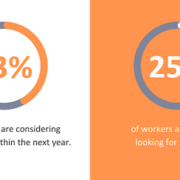
So that’s the legal changes, but does it really matter how you manage the probation period internally? Yes! The impact of failed probation periods can be significant – financial losses, operational disruption, and team instability are common consequences of unsuccessful recruitment. According to a study by NatWest, UK SMEs with 250 employees report average losses of £125,347 per year due to failed recruitment outcomes. Turnover data highlights that 39% of new employees leave within six months, which means first impressions count and a structured approach to managing probation signals to your new employee that your organisation is professional, supportive, and performance focused.
Practical tips for managing probation periods
Managing probation periods is not rocket science but it does take planning and commitment of time and energy. Before we look at some practical tips once your new starter has joined, let’s consider what needs to be in place beforehand:
Job description – this should be the backbone of your recruitment campaign. Don’t just rehash the job description of the previous incumbent – take the time to think about whether the role has evolved or needs to adapt to changing business needs, consider what do you want it to deliver?
Induction – this should be planned in advance of your new recruit’s first day. Imagine how great it feels when you join a new organisation, to find that your line manager has put together a detailed induction to ensure you can be a success in your role. And equally how disappointing it must feel to arrive on your first day and find that no one was expecting you or has even ordered your laptop!
Once your new starter has arrived, there are some simple tips to ensure a successfully managed probation period:
- Timetable regular check-ins to allow for timely feedback and support.
- Set clear objectives: Be clear about what success looks like in terms of training, conduct, and output.
- Raise performance concerns early to help employees improve and reduce the risk of disputes.
- Document records of meetings, feedback, and action plans.
- Offer training, mentoring, or reasonable adjustments to support any performance gaps
- Make a formal decision – pass, extend or end – in good time and based on clear, objective documented evidence.
Support your line managers
Make sure to support your line managers in managing probation periods effectively. Give them the right training – some managers may not have recruited before so make sure they are clear on key dates for the probation and how to handle it successfully. Give them the tools to do it well – checklists and guidelines to ensure consistency. Provide ongoing support for performance concerns, particularly if there’s a need to extend the probation period.
It’s always been important to manage probation periods effectively, but the changes introduced by the ERA make that more important than ever. Done well, probation periods can foster successful employment relationships and mitigate risks.